
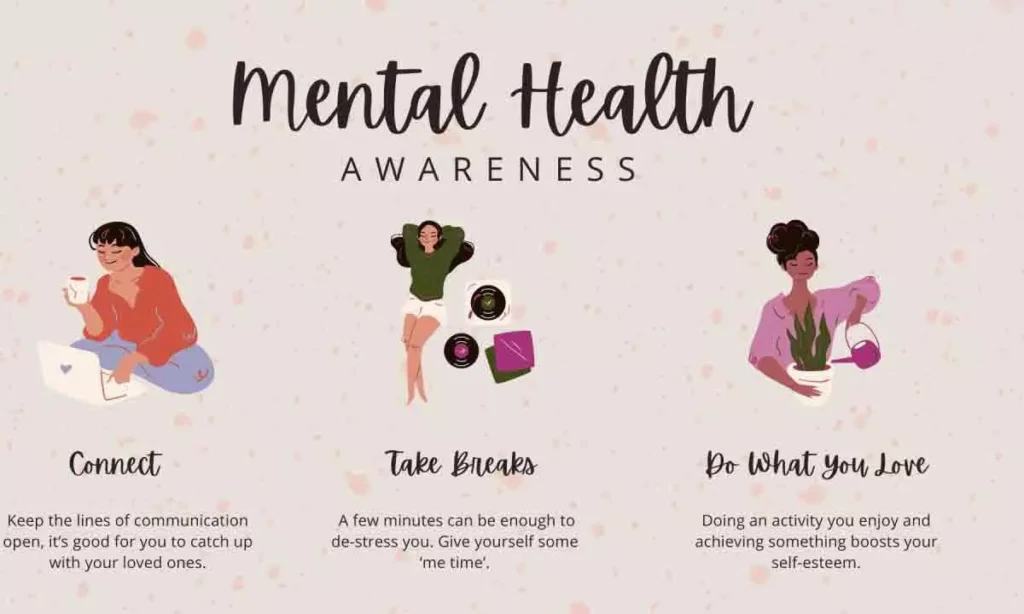
Mental Health Self Care: Simple Habits for a Healthier Mind
In today’s fast-paced world, taking care of your mental health is just as important as caring for your physical health. Many people focus on work, responsibilities, and daily pressures but forget to prioritize their emotional well-being. This is where mental health self care becomes essential.
Mental health self care refers to the daily habits and practices that help you maintain emotional balance, reduce stress, and improve overall well-being. When practiced consistently, these habits can help you cope with challenges, improve your mood, and build resilience.
In this article, we will explore simple yet powerful mental health self care strategies that can improve your quality of life.
Why Mental Health Self Care Is Important
Your mental health affects how you think, feel, and behave. It also influences how you handle stress, relate to others, and make decisions.
Practicing mental health self care helps you:
-
Reduce stress and anxiety
-
Improve emotional resilience
-
Boost productivity and focus
-
Build healthier relationships
-
Increase overall life satisfaction
Ignoring mental health can lead to burnout, emotional exhaustion, and decreased motivation. By taking time to care for your mind, you can maintain a healthier and more balanced life.
Why Mental Health Self Care Is Important
Your mental health affects how you think, feel, and behave. It also influences how you handle stress, relate to others, and make decisions.
Practicing mental health self care helps you:
-
Reduce stress and anxiety
-
Improve emotional resilience
-
Boost productivity and focus
-
Build healthier relationships
-
Increase overall life satisfaction
Ignoring mental health can lead to burnout, emotional exhaustion, and decreased motivation. By taking time to care for your mind, you can maintain a healthier and more balanced life.
1. Get Enough Sleep
Sleep plays a crucial role in maintaining mental health. Lack of sleep can increase stress, irritability, and difficulty concentrating.
To improve your sleep routine:
-
Aim for 7–9 hours of sleep each night
-
Avoid screens before bedtime
-
Maintain a consistent sleep schedule
-
Create a relaxing bedtime routine
Good sleep is one of the most effective forms of mental health self care because it allows your brain to recharge and process emotions.
2. Practice Mindfulness and Meditation
Mindfulness helps you stay present and aware of your thoughts and feelings without judgment. Meditation can significantly reduce stress and promote emotional clarity.
Benefits of mindfulness include:
-
Lower stress levels
-
Better emotional control
-
Improved concentration
-
Reduced anxiety
You can start with just 5–10 minutes of daily meditation to improve your mental health.
3. Stay Physically Active
Physical activity is not only good for your body but also for your mind. Exercise releases endorphins, which are natural mood boosters.
Some great exercises for mental health include:
-
Walking
-
Yoga
-
Cycling
-
Strength training
Regular movement is an important part of mental health self care because it helps reduce depression and anxiety while increasing energy levels.
4. Build Strong Social Connections
Humans are naturally social beings. Strong relationships can provide emotional support during difficult times.
Ways to strengthen connections:
-
Spend time with friends and family
-
Join community groups
-
Talk openly about your feelings
-
Stay connected with supportive people
Healthy relationships play a significant role in maintaining emotional well-being.
5. Set Healthy Boundaries
Many people experience stress because they take on too many responsibilities or struggle to say no.
Setting boundaries helps protect your mental energy. For example:
-
Avoid overcommitting to tasks
-
Take breaks when needed
-
Prioritize your well-being
-
Learn to say no politely
Healthy boundaries are a powerful form of mental health self care.
6. Limit Social Media and Screen Time
While technology connects us with the world, excessive screen time can negatively affect mental health.
Too much social media use can lead to:
-
Anxiety
-
Comparison and low self-esteem
-
Sleep disturbances
Try setting daily limits on social media and spend more time on offline activities such as reading, hobbies, or outdoor walks
7. Practice Gratitude Daily
Gratitude is a powerful mental health practice that helps shift your focus from problems to positive experiences.
You can practice gratitude by:
-
Writing three things you are grateful for each day
-
Keeping a gratitude journal
-
Expressing appreciation to others
Studies show that gratitude improves happiness and reduces negative emotions.
8. Engage in Activities You Enjoy
Taking time for hobbies and interests can significantly improve mental well-being.
Examples include:
-
Reading books
-
Painting or drawing
-
Gardening
-
Playing music
-
Cooking
Enjoyable activities help reduce stress and bring a sense of fulfillment.
9. Maintain a Healthy Diet
Your diet has a direct impact on your mental health. Nutrient-rich foods support brain function and emotional balance.
Foods that support mental health include:
-
Fruits and vegetables
-
Whole grains
-
Nuts and seeds
-
Fish rich in omega-3 fatty acids
Avoid excessive sugar, caffeine, and processed foods, which may contribute to mood swings.
10. Seek Professional Support When Needed
Self care is important, but sometimes professional support is necessary. If you experience persistent stress, anxiety, or depression, consider speaking with a mental health professional.
Therapists and counselors can help you:
-
Understand emotional challenges
-
Develop coping strategies
-
Improve mental resilience
Seeking help is a sign of strength, not weakness.
Creating Your Personal Mental Health Self Care Routine
Everyone’s mental health needs are different. The key is to create a routine that works best for you.
A simple mental health self care routine may include:
Morning:
-
Short meditation
-
Healthy breakfast
-
Positive affirmations
Afternoon:
-
Short walk or exercise
-
Balanced meals
-
Taking breaks from work
Evening:
-
Journaling or gratitude practice
-
Relaxation activities
-
Good sleep habits
Consistency is the most important factor in maintaining mental well-being.
Conclusion
Mental health is an essential part of a healthy life. Practicing mental health self care regularly can help you manage stress, maintain emotional balance, and improve your overall quality of life.
Simple habits such as getting enough sleep, staying active, practicing mindfulness, and maintaining social connections can make a powerful difference. By making mental health self care a daily priority, you can build resilience and create a happier, healthier life.