
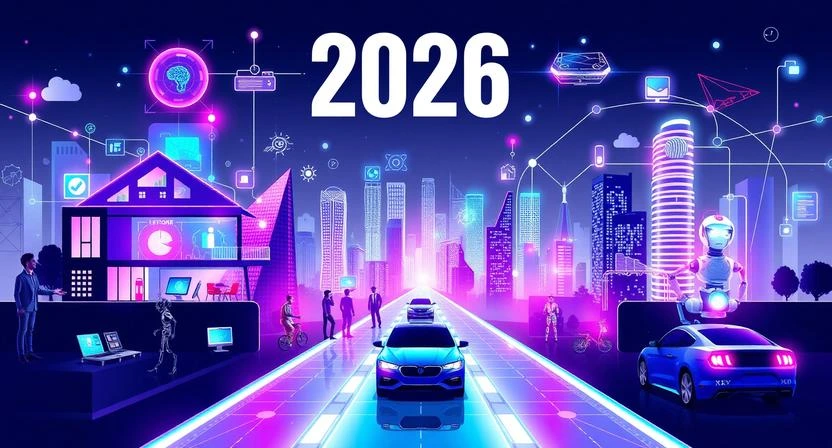
Technology in 2026: AI, Automation, Smart Homes, and the Future
Technology in 2026 is evolving at an incredible pace. Just a few years ago, many of today’s innovations sounded like ideas from science fiction. Now they are becoming part of everyday life. From smart assistants that understand our voice commands to machines that can analyze medical data in seconds, technology is transforming the world around us.
People rely on technology more than ever before. Businesses use advanced systems to improve productivity, doctors use intelligent tools to diagnose diseases faster, and students learn through digital platforms that connect them with knowledge instantly.
Technology in 2026 is not simply about new gadgets or faster smartphones. It represents a shift toward smarter systems, deeper connectivity, and a more efficient way of living. As these innovations continue to grow, they are reshaping industries and creating new opportunities for individuals and organizations alike.
Whether you are a beginner learning the rules or someone interested in improving your strategy, understanding the fundamentals of the chess game can help you enjoy this timeless classic even more.
Artificial Intelligence Is Everywhere
Artificial intelligence has become one of the most important aspects of technology in 2026. AI is no longer limited to research labs or large tech companies. Today, it is integrated into many tools and services people use every day.
For example, customer service is increasingly handled by AI-powered chatbots. These systems can answer questions, guide customers through problems, and provide assistance at any time of the day. Businesses benefit from reduced operational costs, while customers receive faster responses.
AI is also helping professionals in complex industries. Doctors use AI programs to review medical images and detect potential health issues earlier than traditional methods. In finance, intelligent algorithms analyze massive amounts of data to identify trends and reduce financial risks.
As AI continues to develop, it is expected to become even more capable and more deeply integrated into everyday technology.
The Growth of Smart Homes
Another important development in technology in 2026 is the rise of smart homes. Homes are becoming more connected as devices communicate with each other through the internet.
Smart lighting systems allow people to control lights remotely or automatically adjust brightness based on the time of day. Smart thermostats can learn a homeowner’s routine and adjust temperatures to maintain comfort while reducing energy usage.
Security has also improved with smart technology. Cameras, sensors, and door locks can now be monitored through mobile apps, giving homeowners peace of mind even when they are far away.
These features make homes not only more convenient but also more efficient. Many households are now using technology to monitor energy consumption, reduce waste, and lower electricity costs.
Automation Changing the Workplace
Automation is another key factor shaping technology in 2026. Many repetitive and time-consuming tasks are now handled by machines or intelligent software systems.
In manufacturing, robots can assemble products with speed and precision. These machines work continuously and reduce the chances of human error. As a result, production processes have become more efficient and reliable.
Automation is also common in office environments. Software tools can organize schedules, analyze reports, and handle administrative tasks. This allows employees to focus on creative thinking and strategic planning rather than routine work.
While automation has raised concerns about job security, it is also creating new career paths. Fields such as data science, robotics engineering, and AI development are expanding rapidly.
Smart Cities Are Becoming Reality
Cities around the world are beginning to use advanced technologies to improve urban life. The concept of smart cities is becoming more practical as digital infrastructure improves.
Traffic management systems are one example. Sensors and AI software monitor road conditions and automatically adjust traffic signals to reduce congestion. This helps drivers reach their destinations faster and reduces fuel consumption.
Public transportation has also improved through digital tools. Mobile applications allow passengers to track buses or trains in real time and receive updates about delays or schedule changes.
Smart city technologies also contribute to safety and sustainability. Data-driven systems help city officials monitor environmental conditions, manage waste, and respond quickly to emergencies.
These improvements are making urban areas more organized, efficient, and comfortable for residents.
Healthcare Powered by Technology
Healthcare is another area where technology in 2026 is making a significant difference. Digital tools are helping doctors provide faster, more accurate care.
Telemedicine has become increasingly common. Patients can now consult doctors through video calls, which saves time and reduces the need for travel. This is especially beneficial for people living in remote regions where access to healthcare may be limited.
Wearable devices are also playing a growing role in health monitoring. Smartwatches and fitness trackers collect data about heart rate, sleep patterns, and physical activity. This information helps individuals understand their health and make better lifestyle choices.
In hospitals, advanced technologies such as robotic surgery and AI-assisted diagnostics are improving treatment outcomes. These innovations allow doctors to perform procedures with greater precision and analyze patient data more effectively.
Faster Connectivity with 5G
A major reason for the rapid growth of technology in 2026 is improved internet connectivity. The expansion of 5G networks has made communication between devices faster and more reliable.
This high-speed connectivity supports new technologies such as autonomous vehicles, real-time virtual collaboration, and advanced gaming experiences. Businesses also benefit from faster data transfer, allowing them to process information and communicate more efficiently.
For everyday users, faster internet means smoother streaming, quicker downloads, and better performance for online applications.
As networks continue to improve, connectivity will remain a foundation for future technological innovation.
Cybersecurity Becomes More Important
As technology becomes more integrated into daily life, protecting digital information is becoming increasingly important. Cybersecurity is now a major priority for companies, governments, and individuals.
Modern cyber threats are more sophisticated than ever before. Hackers use advanced techniques to target personal data, financial systems, and digital infrastructure.
To counter these threats, organizations are investing in advanced security systems. Many companies now use AI-powered tools that can detect unusual activity and respond to threats automatically.
Individuals can also improve their online safety by using strong passwords, enabling two-factor authentication, and staying informed about potential risks.
Cybersecurity will remain a crucial part of the technological landscape in the coming years.
Looking Toward the Future
Although technology in 2026 is already impressive, innovation is far from slowing down. Researchers and engineers are working on new technologies that could transform the world even further.
Fields such as quantum computing, advanced robotics, and brain-computer interfaces are gaining attention. These technologies may one day solve complex scientific challenges and create entirely new industries.
The future of technology will likely focus on making systems smarter, faster, and more sustainable.
Conclusion
Technology in 2026 is shaping a world that is more connected, efficient, and intelligent. Artificial intelligence, automation, smart homes, and advanced connectivity are transforming how people live and work.
While these advancements bring challenges such as cybersecurity and workforce adaptation, they also offer remarkable opportunities. Businesses can operate more efficiently, healthcare can become more precise, and everyday life can become more convenient.
As innovation continues to move forward, technology will remain one of the most powerful forces shaping the future of society.