
Vitamin D Health Benefits: Why This Essential Nutrient Is Vital for Your Body
Vitamin D is often called the “sunshine vitamin,” but its role in the body goes far beyond simply being produced from sunlight. From strengthening bones to supporting immunity and mental health, the vitamin D health benefits are extensive and scientifically proven. Despite its importance, millions of people around the world suffer from vitamin D deficiency without realizing it.
In this article, we will explore the major vitamin D health benefits, how it works in the body, signs of deficiency, and the best natural sources to ensure you get enough of this essential nutrient.
What Is Vitamin D?
Vitamin D is a fat-soluble vitamin that helps the body absorb calcium and phosphorus, two minerals essential for strong bones and teeth. Unlike most vitamins, vitamin D functions like a hormone in the body and influences many biological processes.
Your body naturally produces vitamin D when the skin is exposed to sunlight. However, it can also be obtained through certain foods and dietary supplements.
The two main forms include:
Vitamin D2 (Ergocalciferol) – found in plant-based foods
Vitamin D3 (Cholecalciferol) – produced in the skin and found in animal-based foods
Among these, vitamin D3 is considered the most effective form for maintaining healthy vitamin D levels.
Top Vitamin D Health Benefits
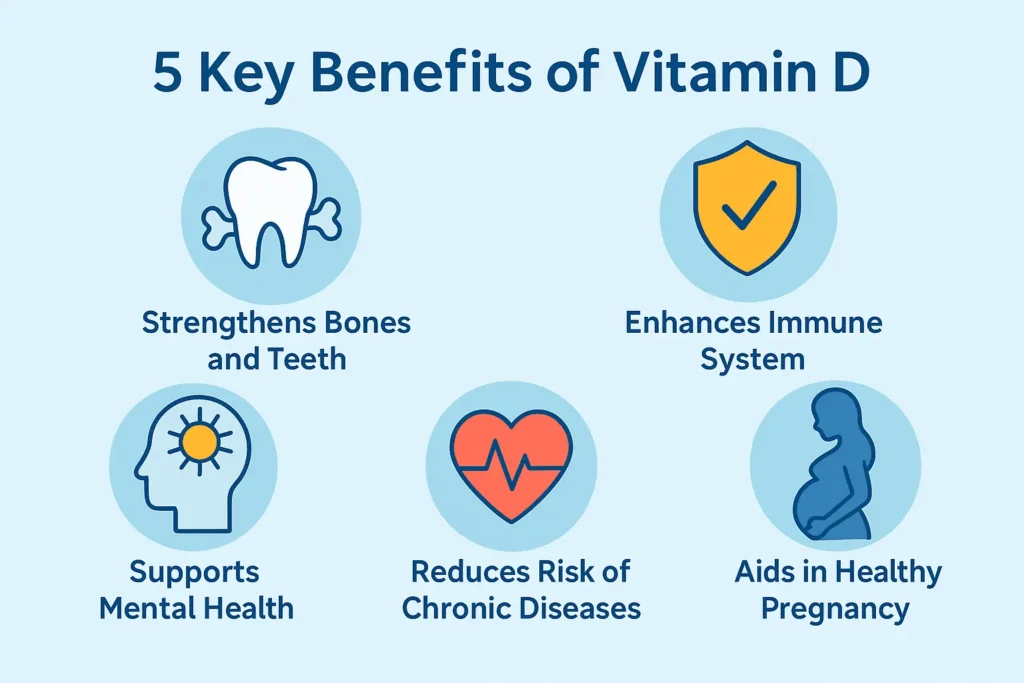
1. Strengthens Bones and Teeth
One of the most well-known vitamin D health benefits is its ability to support bone health. Vitamin D helps the body absorb calcium efficiently, which is essential for building and maintaining strong bones.
Without sufficient vitamin D, bones can become thin, brittle, or misshapen. In children, deficiency can lead to rickets, while adults may develop osteomalacia or increased risk of fractures.
Maintaining adequate vitamin D levels helps:
Improve calcium absorption
Prevent bone loss
Reduce fracture risk
Support healthy teeth
2. Supports Immune System Function
Another important vitamin D health benefit is its role in strengthening the immune system. Vitamin D helps activate immune cells that fight viruses and bacteria.
Research suggests that adequate vitamin D levels may help reduce the risk of infections, including respiratory illnesses.
Vitamin D contributes to immune health by:
Enhancing pathogen-fighting cells
Reducing inflammation
Supporting immune regulation
This is why maintaining optimal vitamin D levels is essential for overall health and disease prevention.
3. Improves Muscle Strength
Vitamin D plays a key role in maintaining muscle strength and function. Deficiency is often linked to muscle weakness, fatigue, and increased risk of falls, especially among older adults.
Adequate vitamin D levels help improve muscle performance and coordination. This is particularly important for aging populations who are at higher risk of injuries due to weak muscles.
Benefits for muscles include:
Improved muscle strength
Better balance and coordination
Reduced fall risk in older adults
4. Supports Heart Health
Emerging research highlights another potential vitamin D health benefit: cardiovascular health. Vitamin D may help regulate blood pressure and reduce inflammation, both of which are important for heart health.
Studies suggest that people with low vitamin D levels may have a higher risk of heart disease.
Vitamin D may contribute to heart health by:
Supporting healthy blood pressure levels
Reducing inflammation in blood vessels
Improving overall cardiovascular function
While more research is still needed, maintaining adequate vitamin D levels appears beneficial for heart health.
5. Enhances Mood and Mental Health
Vitamin D is also linked to mental well-being. Low vitamin D levels have been associated with mood disorders, including depression and seasonal affective disorder (SAD).
One reason is that vitamin D receptors are present in brain regions involved in mood regulation.
Potential mental health benefits include:
Improved mood stability
Reduced risk of depression
Better cognitive function
Spending time in sunlight and maintaining healthy vitamin D levels may help support emotional balance.
6. May Reduce Risk of Certain Diseases
Research suggests that vitamin D may play a role in reducing the risk of certain chronic diseases. Scientists are studying its potential effects on conditions such as autoimmune disorders, diabetes, and certain cancers.
Although more research is needed, maintaining optimal vitadmin D levels is associated with better long-term health outcomes.
Possible protective effects include:
Supporting immune balance
Reducing chronic inflammation
Helping regulate cell growth
Signs of Vitamin D Deficiency
Vitamin D deficiency is more common than many people realize. Since symptoms can be subtle, it often goes undetected.
Common signs include:
Fatigue and low energy
Bone or back pain
Muscle weakness
Frequent infections
Mood changes or depression
Slow wound healing
People at higher risk of deficiency include individuals with limited sun exposure, older adults, and those with darker skin tones.
If deficiency is suspected, a blood test can determine vitamin D levels.
Best Natural Sources of Vitamin D
Getting enough vitamin D is essential for experiencing the full vitamin D health benefits. Fortunately, there are several natural ways to increase your intake.
1. Sunlight Exposure
Sunlight is the most natural source of vitamin D. When UVB rays hit the skin, the body produces vitamin D naturally.
Experts often recommend about 10–30 minutes of sunlight exposure several times a week, depending on skin type and location.
2. Vitamin D Rich Foods
Some foods naturally contain vitamin D or are fortified with it.
Examples include:
Fatty fish such as salmon, tuna, and mackerel
Egg yolks
Fortified milk and plant-based milk
Fortified cereals
Mushrooms exposed to UV light
Although food sources help, they usually provide smaller amounts compared to sunlight.
3. Vitamin D Supplements
For individuals who cannot get enough vitamin D from sunlight or food, supplements can help maintain healthy levels.
Vitamin D3 supplements are generally considered more effective than vitamin D2. However, it is best to consult a healthcare professional before starting supplements, especially for higher doses.
How Much Vitamin D Do You Need?
The recommended daily intake of vitamin D varies depending on age and health status.
General guidelines include:
Infants: 400 IU per day
Children and adults: 600 IU per day
Adults over 70: 800 IU per day
Some people may require higher amounts, particularly those with deficiency or limited sun exposure.
Tips to Maintain Healthy Vitamin D Levels
To enjoy the full vitamin D health benefits, consider these simple tips:
Spend time outdoors in sunlight regularly.
Include vitamin D rich foods in your diet.
Maintain a balanced and nutritious diet.
Consider supplements if recommended by a healthcare provider.
Check vitamin D levels through routine health tests.
These steps can help ensure your body receives enough vitamin D for optimal health.
Final Thoughts
The vitamin D health benefits extend far beyond bone health. From boosting immunity and strengthening muscles to supporting heart health and mental well-being, vitamin D plays a crucial role in maintaining overall wellness.
Unfortunately, vitamin D deficiency remains a widespread health concern. By combining healthy sun exposure, vitamin D rich foods, and supplements when necessary, you can maintain optimal vitamin D levels and support long-term health.
Making vitamin D a priority in your daily routine is a simple yet powerful step toward a healthier life.