
Silver Market Outlook: Trends, Demand, and Investment Opportunities in 2026
The silver market has gained significant attention from investors, analysts, and industries in recent years. Known both as a precious metal and an industrial commodity, silver plays a unique role in the global economy. From jewelry and coins to solar panels and electronics, silver demand continues to expand across multiple sectors. As economic uncertainty, inflation concerns, and green energy initiatives grow worldwide, the silver market is becoming increasingly important for investors seeking diversification and long-term value.
In this blog, we will explore the current silver market, major drivers influencing prices, global demand trends, and what investors should watch in the coming years.
Understanding the Silver Market
The silver market refers to the global trade, production, demand, and pricing of silver as both a precious metal and an industrial resource. Unlike gold, which is primarily viewed as a store of value, silver has strong industrial usage. Nearly half of global silver demand comes from industrial applications.
Silver is traded through various channels including:
Physical silver (bars, coins, and jewelry)
Silver futures and options
Exchange-traded funds (ETFs)
Mining company stocks
Because of its dual role as an industrial and investment metal, the silver market often reacts to both economic growth and financial uncertainty.
Key Drivers of the Silver Market
Several factors influence movements in the silver market. Understanding these drivers can help investors and businesses anticipate price changes and market opportunities.
1. Industrial Demand
Industrial use is one of the biggest drivers of the silver market. Silver is widely used in:
Solar panels
Electronics and semiconductors
Electric vehicles
Medical devices
Batteries
As global technology advances and renewable energy projects expand, industrial demand for silver continues to rise. The solar energy sector alone has become a major contributor to silver consumption.
2. Investment Demand
Investors often turn to silver during periods of economic uncertainty. Similar to gold, silver is considered a safe-haven asset that helps protect wealth during inflation or currency instability.
When stock markets become volatile or inflation rises, demand in the silver market tends to increase as investors buy silver coins, bars, and ETFs.
3. Inflation and Currency Value
Inflation and currency fluctuations strongly affect the silver market. When fiat currencies lose purchasing power, precious metals often gain popularity as alternative stores of value.
A weakening US dollar, for example, usually supports higher silver prices because silver becomes cheaper for buyers using other currencies.
4. Mining Supply
Silver supply mainly comes from mining operations around the world. Major silver-producing countries include:
Mexico
China
Peru
Australia
Russia
Changes in mining production, environmental regulations, or geopolitical factors can impact supply levels in the silver market.
Global Demand Trends in the Silver Market
The silver market has seen steady demand growth due to both technological innovation and investment interest.
Renewable Energy Growth
One of the strongest trends shaping the silver market is the growth of renewable energy. Solar panels require silver for their conductive properties, making the metal essential for solar technology.
As countries invest in clean energy infrastructure, silver demand from the solar sector is expected to increase significantly.
Electronics and Technology
Silver is a highly conductive metal, which makes it critical in electronics manufacturing. Smartphones, laptops, automotive electronics, and 5G infrastructure all rely on silver components.
With the global expansion of digital technology, the silver market is benefiting from rising industrial usage.
Jewelry and Silverware
Traditional demand from jewelry and silverware still plays an important role in the silver market, particularly in regions like India, China, and Southeast Asia. Cultural traditions and festive seasons often increase silver purchases.
Silver Market Price Trends
Silver prices tend to be more volatile than gold prices because the silver market is smaller and more sensitive to supply and demand changes.
Historically, silver prices have experienced major fluctuations during economic cycles. For example:
During financial crises, silver demand often spikes due to safe-haven buying.
During strong economic growth, industrial demand supports higher prices.
When interest rates rise sharply, precious metals sometimes face downward pressure.
However, long-term trends show that silver remains a valuable asset in diversified investment portfolios.
Investment Opportunities in the Silver Market
Investors looking to participate in the silver market have several options depending on their risk tolerance and financial goals.
Physical Silver
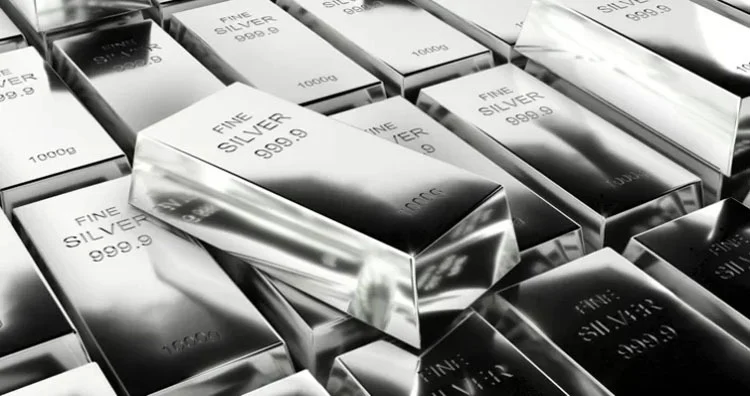
Buying physical silver such as coins and bars is one of the most traditional ways to invest in the silver market. Many investors prefer physical silver because it provides direct ownership of the metal.
Advantages include:
Tangible asset ownership
Hedge against inflation
No counterparty risk
However, physical silver requires storage and security.
Silver ETFs
Exchange-traded funds allow investors to gain exposure to the silver market without owning physical metal. ETFs track silver prices and can be traded like stocks.
Benefits include:
High liquidity
Easy access through brokerage accounts
Lower storage concerns
Silver Mining Stocks
Another way to invest in the silver market is through mining companies. When silver prices rise, mining companies often experience increased profitability.
However, mining stocks carry additional risks such as operational challenges and management performance.
Silver Futures
Advanced investors may trade silver futures contracts in the silver market to speculate on price movements. Futures allow traders to control larger positions with leverage but also involve higher risk.
Risks in the Silver Market
While the silver market offers strong potential, investors should also be aware of certain risks.
Price Volatility
Silver prices can change rapidly due to economic news, geopolitical events, or changes in industrial demand.
Economic Slowdowns
Because a large portion of demand comes from industry, economic slowdowns may reduce silver consumption and affect the silver market.
Interest Rate Changes
Higher interest rates can make non-yielding assets like silver less attractive compared to bonds or savings accounts.
Understanding these risks is essential for anyone investing in the silver market.
Future Outlook for the Silver Market
The long-term outlook for the silver market remains positive due to several structural trends:
Expansion of renewable energy projects
Growth in electric vehicles and batteries
Increased demand for electronics and semiconductors
Rising investor interest in precious metals
Many analysts believe that silver could experience strong demand growth over the next decade, especially as green technologies require larger quantities of the metal.
If supply struggles to keep pace with rising industrial demand, the silver market may see upward pressure on prices.
Conclusion
The silver market continues to evolve as both an investment asset and an industrial commodity. With its critical role in renewable energy, electronics, and modern technology, silver demand is expected to grow in the coming years.
For investors, the silver market provides opportunities for diversification, inflation protection, and exposure to the expanding green economy. However, like any investment, it is important to understand market drivers, price volatility, and economic factors before making decisions.
As global industries move toward technological advancement and sustainable energy, silver may remain one of the most valuable and strategically important metals in the world economy.
Whether you are an investor, trader, or industry observer, keeping an eye on developments in the silver market can help you identify opportunities and stay ahead of emerging trends.