
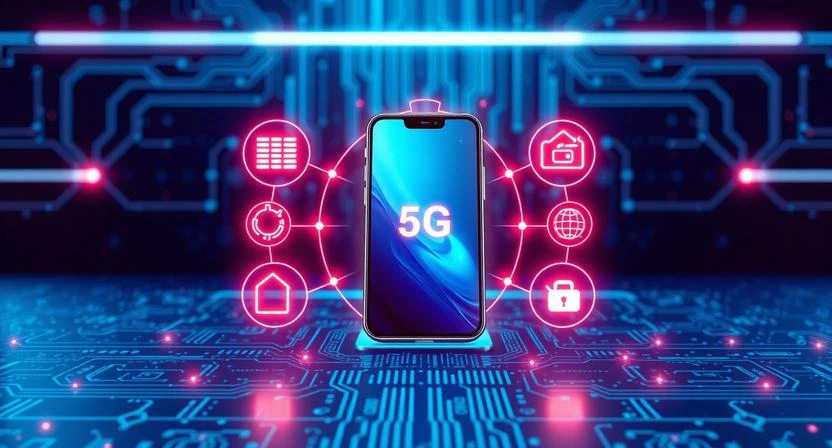
The Evolution of Technology in Phones: How Smartphones Changed Our Lives
Technology in phones has transformed the way we live, work, and communicate. What once started as simple devices for making calls has evolved into powerful smartphones capable of performing tasks that previously required a computer. From high-speed internet and advanced cameras to artificial intelligence and mobile banking, modern phones have become an essential part of daily life.
The rapid growth of smartphone technology has influenced industries such as education, healthcare, business, and entertainment. Today, billions of people rely on their phones not just for communication but also for productivity and convenience.
In this blog, we will explore the evolution of technology in phones, key innovations, and how smartphones continue to shape the future.
The Early Days of Mobile Phone Technology
Mobile phone technology began with devices designed solely for voice communication. Early mobile phones in the 1980s and 1990s were large, expensive, and limited in functionality. These phones used basic cellular networks and had minimal features.
Key characteristics of early mobile phones included:
Large and bulky design
Limited battery life
Basic calling and texting features
Expensive pricing
Despite their limitations, these early devices laid the foundation for the advanced smartphones we use today.
The Rise of Smartphones
The introduction of smartphones marked a turning point in mobile technology. Smartphones combined communication features with computing power, allowing users to perform a wide range of tasks on a single device.
Modern smartphones now include features such as:
Internet browsing
Mobile applications
GPS navigation
Social media access
Email and video communication
These innovations transformed phones from communication tools into multifunctional digital devices.
Advanced Camera Technology in Smartphones
One of the most impressive developments in phone technology is smartphone cameras. Today’s smartphones are equipped with high-resolution cameras that rival professional photography equipment.
Modern smartphone cameras include:
Multiple camera lenses (wide, ultra-wide, telephoto)
AI-powered image processing
Night photography modes
4K and even 8K video recording
Optical image stabilization
These features allow users to capture high-quality photos and videos without needing separate cameras.
For many people, smartphones have completely replaced traditional digital cameras.
Artificial Intelligence in Smartphones
Artificial intelligence (AI) is now a key component of smartphone technology. AI helps phones become smarter and more efficient by learning from user behavior and improving performance.
Examples of AI in smartphones include:
Voice assistants such as smart voice commands
Facial recognition for unlocking phones
Smart photo enhancement
Predictive text and keyboard suggestions
Battery optimization
AI technology continues to make smartphones faster, safer, and easier to use.
Mobile Internet and 5G Technology
Another major advancement in phone technology is high-speed internet connectivity. Early phones relied on slow data networks, but modern smartphones now support 4G and 5G networks.
Benefits of 5G technology include:
Faster internet speeds
Improved streaming quality
Better online gaming performance
Reduced network latency
Enhanced video calls
With faster connectivity, smartphones can handle data-heavy applications such as cloud computing, online gaming, and live streaming.
Mobile Apps and the App Ecosystem
Mobile applications are a major reason smartphones are so powerful. App stores offer millions of apps that allow users to customize their phones according to their needs.
Popular categories of mobile apps include:
Social media apps
Productivity and work tools
Online shopping platforms
Mobile banking apps
Health and fitness applications
These apps transform smartphones into personal assistants, entertainment centers, and productivity tools.
Smartphone Security and Privacy
As smartphones store more personal data, security technology has become increasingly important. Modern phones now include advanced security features to protect user information.
Common smartphone security technologies include:
Fingerprint sensors
Facial recognition systems
End-to-end encryption
Secure payment authentication
Privacy controls for apps
These features help ensure that user data remains safe and protected from cyber threats.
Smartphones in Everyday Life
Smartphones have become an essential tool in modern life. People use their phones for communication, entertainment, education, and business.
Some everyday uses of smartphones include:
Online learning and education
Video conferencing and remote work
Mobile banking and digital payments
Navigation and travel planning
Health monitoring and fitness tracking
Because of their versatility, smartphones are now one of the most important technological devices in the world.
Future Trends in Phone Technology
The future of phone technology looks even more exciting. Companies are constantly developing new innovations to make smartphones more powerful and user-friendly.
Some upcoming trends in smartphone technology include:
Foldable and flexible displays
Improved artificial intelligence capabilities
Enhanced augmented reality (AR) features
Longer battery life with advanced charging technology
Integration with smart home devices
These advancements will continue to push the boundaries of what smartphones can do.
Conclusion
Technology in phones has come a long way from simple communication devices to powerful pocket-sized computers. Modern smartphones combine advanced hardware, artificial intelligence, high-speed connectivity, and millions of apps to deliver an unmatched user experience.
As technology continues to evolve, smartphones will play an even bigger role in shaping the future of communication, business, and everyday life. From smarter AI features to faster networks and innovative designs, the next generation of phones promises to revolutionize how we interact with technology.
For anyone interested in technology, smartphones remain one of the most exciting and rapidly evolving innovations of our time.